

How do Hyundai struts work?
Nov 03, 2025
Leave a message
As a dedicated supplier of Hyundai struts, I've witnessed firsthand the critical role these components play in the performance and safety of Hyundai vehicles. In this blog, I'll delve into the intricacies of how Hyundai struts work, shedding light on their design, function, and importance.
The Basics of Struts in a Vehicle Suspension System
Before we focus on Hyundai struts specifically, it's essential to understand the broader context of a vehicle's suspension system. The suspension system is responsible for providing a smooth ride, maintaining tire contact with the road, and ensuring the vehicle's stability and handling. Struts are a key part of this system, combining the functions of a shock absorber and a structural component.
A shock absorber, in its simplest form, is designed to control the movement of the springs in the suspension system. When a vehicle hits a bump or pothole, the springs compress and then rebound. Without a shock absorber, the springs would continue to bounce, causing the vehicle to be unstable and uncomfortable to drive. The shock absorber dampens this movement, allowing the vehicle to maintain contact with the road and providing a smoother ride.
Struts, on the other hand, are a more integrated component. They not only perform the damping function of a shock absorber but also provide structural support for the vehicle's suspension. In many modern vehicles, including Hyundai models, struts are a critical part of the front suspension system, and in some cases, the rear suspension as well.
Hyundai Struts: Design and Construction
Hyundai struts are engineered to meet the specific requirements of Hyundai vehicles. They are designed to provide optimal performance, durability, and safety. The design of Hyundai struts takes into account factors such as the vehicle's weight, handling characteristics, and intended use.
One of the key components of a Hyundai strut is the piston and cylinder assembly. This assembly is similar to that of a traditional shock absorber. The piston moves up and down inside the cylinder, which is filled with hydraulic fluid. As the piston moves, it forces the fluid through small openings or valves, creating resistance and damping the movement of the suspension.
The design of the piston and valves is crucial to the performance of the strut. Hyundai engineers carefully calibrate these components to provide the right amount of damping for each specific vehicle model. This ensures that the vehicle has a smooth ride, good handling, and excellent stability.
In addition to the piston and cylinder assembly, Hyundai struts also include a coil spring. The coil spring is responsible for supporting the weight of the vehicle and absorbing the shocks from the road. It works in conjunction with the piston and cylinder assembly to provide a balanced suspension system.
The strut housing is another important part of the Hyundai strut. It provides a protective enclosure for the piston, cylinder, and coil spring. The housing is typically made of high-strength steel or aluminum to ensure durability and resistance to corrosion.
How Hyundai Struts Work in Action
Now that we understand the basic design and construction of Hyundai struts, let's take a closer look at how they work in action. When a Hyundai vehicle encounters a bump or pothole on the road, the wheel and tire assembly move upward, compressing the coil spring in the strut. This compression causes the piston inside the cylinder to move upward as well.
As the piston moves upward, it forces the hydraulic fluid through the valves in the piston. The resistance created by the fluid flowing through the valves dampens the movement of the piston and the spring. This prevents the spring from rebounding too quickly and keeps the vehicle stable.
When the wheel and tire assembly move back down after passing over the bump, the coil spring expands, and the piston moves downward. Again, the fluid flows through the valves, providing damping and controlling the movement of the spring.
This continuous cycle of compression and expansion of the spring, along with the damping action of the piston and fluid, allows the Hyundai strut to provide a smooth and stable ride. It also helps to maintain tire contact with the road, improving traction and handling.
The Importance of Quality Hyundai Struts
Using high-quality Hyundai struts is essential for the performance, safety, and longevity of your Hyundai vehicle. Inferior struts may not provide the proper damping and support, leading to a rough ride, poor handling, and increased wear and tear on other suspension components.
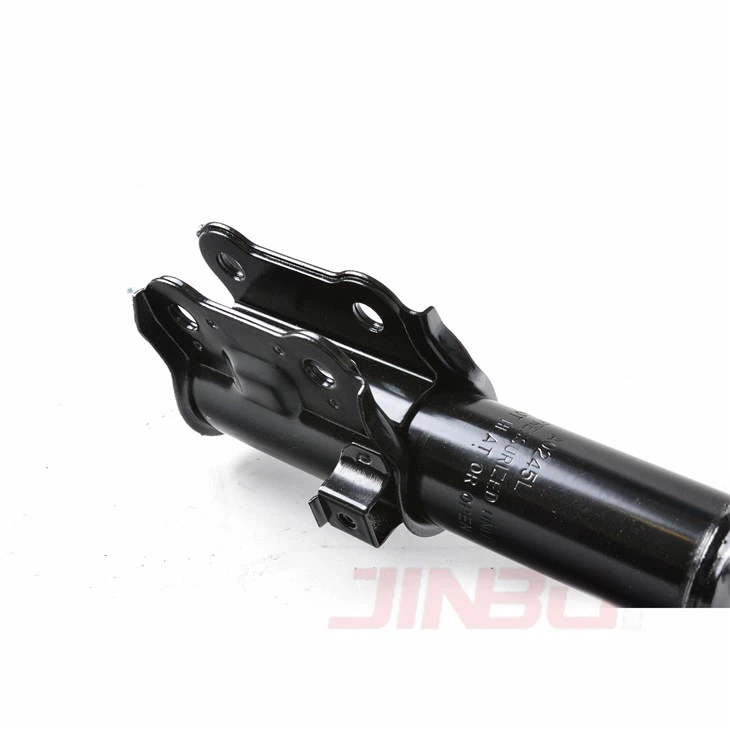
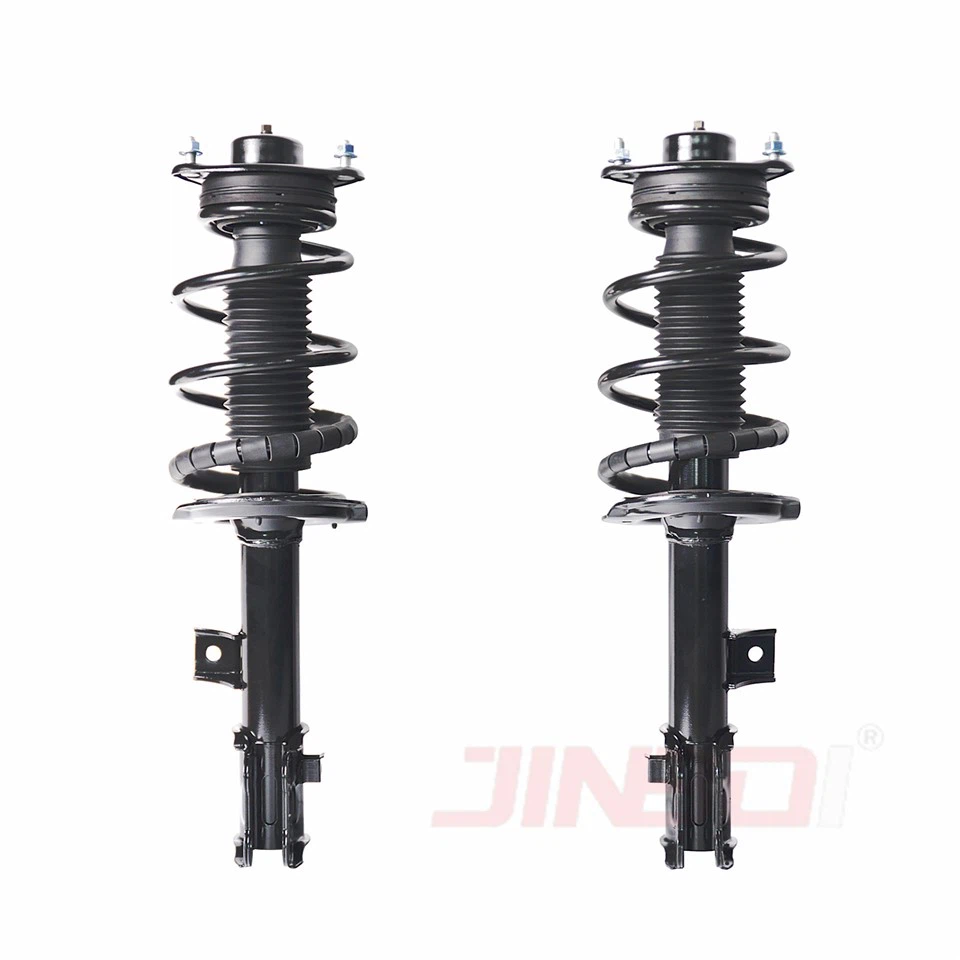
At our company, we are committed to providing the highest quality Hyundai struts. Our struts are designed and manufactured to meet or exceed the original equipment manufacturer (OEM) specifications. We use only the best materials and the latest manufacturing techniques to ensure that our struts are reliable and durable.
We offer a wide range of Hyundai struts, including Hyundai Auto Struts, Hyundai Front Suspension Strut, and Hyundai Auto Front Struts. Whether you need a replacement strut for your daily driver or a high-performance strut for a modified Hyundai, we have the right product for you.
Signs of Worn or Faulty Hyundai Struts
Over time, Hyundai struts can wear out or become damaged. It's important to be aware of the signs of worn or faulty struts so that you can have them replaced as soon as possible. Some common signs of worn or faulty struts include:
- Rough ride: If you notice that your Hyundai is bouncing more than usual or that the ride is rough and uncomfortable, it could be a sign of worn struts.
- Poor handling: Worn struts can affect the vehicle's handling, making it more difficult to steer and control. You may notice that the vehicle feels unstable when cornering or that it takes longer to stop.
- Uneven tire wear: Struts that are not functioning properly can cause uneven tire wear. If you notice that your tires are wearing out more quickly on one side than the other, it could be a sign of a problem with the struts.
- Noise: Worn or damaged struts may make a knocking or rattling noise when you drive over bumps or potholes.
If you experience any of these symptoms, it's important to have your Hyundai struts inspected by a qualified mechanic. They can determine if the struts need to be replaced and recommend the best course of action.
Contact Us for Your Hyundai Strut Needs
If you're in the market for high-quality Hyundai struts, look no further. As a leading supplier of Hyundai struts, we have the expertise and the products to meet your needs. Whether you're a professional mechanic or a DIY enthusiast, we can provide you with the right struts for your Hyundai vehicle.
We offer competitive prices, fast shipping, and excellent customer service. Our team of experts is always available to answer your questions and help you find the perfect struts for your Hyundai.
Don't compromise on the performance and safety of your Hyundai. Contact us today to discuss your Hyundai strut requirements and start the procurement process. We look forward to working with you.
References
- Automotive Engineering Handbook, Society of Automotive Engineers
- Hyundai Vehicle Service Manuals