

Do Buick Struts require a specific type of shock fluid?
Aug 15, 2025
Leave a message
Do Buick Struts require a specific type of shock fluid?
As a supplier of Buick Struts, I often get asked about the requirements for shock fluid in these components. The answer to the question of whether Buick Struts require a specific type of shock fluid is both yes and no, and it depends on several factors. In this blog post, I'll delve into the details to help you understand the intricacies of shock fluid in Buick Struts.
Understanding the Role of Shock Fluid in Struts
Shock fluid, also known as hydraulic fluid, plays a crucial role in the operation of struts. Struts are an integral part of a vehicle's suspension system, and they work to dampen the vibrations and shocks that occur when the vehicle is in motion. The shock fluid inside the strut is responsible for absorbing and dissipating the energy generated by these movements, providing a smooth and comfortable ride for the passengers.
When the vehicle encounters a bump or uneven surface, the shock fluid is compressed and forced through small orifices within the strut. This process creates resistance, which slows down the movement of the strut and reduces the impact felt by the vehicle. The viscosity and chemical properties of the shock fluid are essential in determining how effectively the strut can perform this function.
Manufacturer Specifications
General Motors, the parent company of Buick, designs its vehicles with specific performance standards in mind. As such, they recommend using shock fluids that meet certain specifications for Buick Struts. These specifications are based on factors such as the vehicle's weight, suspension design, and intended use.
Using a shock fluid that meets the manufacturer's specifications ensures that the strut operates at its optimal performance level. It helps to maintain the proper damping characteristics, which are crucial for handling, stability, and safety. For example, if the shock fluid is too thin, it may not provide enough resistance, resulting in a bouncy and unstable ride. On the other hand, if the fluid is too thick, it can cause the strut to become too stiff, leading to a harsh and uncomfortable ride.
Compatibility with Buick Struts
While Buick recommends specific shock fluids, it's important to note that not all fluids are created equal. There are many different types of shock fluids available on the market, each with its own unique properties and characteristics. Some fluids are designed for high-performance applications, while others are more suitable for everyday driving.
When choosing a shock fluid for Buick Struts, it's essential to consider the compatibility of the fluid with the strut's internal components. The fluid must be able to lubricate the seals and bearings within the strut, preventing wear and tear and ensuring a long service life. Additionally, the fluid should be resistant to oxidation and foaming, which can degrade its performance over time.
Performance Considerations
In addition to meeting the manufacturer's specifications, the choice of shock fluid can also have an impact on the performance of the Buick Struts. For example, if you use a high-performance shock fluid, you may notice an improvement in the vehicle's handling and cornering ability. These fluids are typically formulated with additives that enhance their damping characteristics, providing a more responsive and precise ride.
However, it's important to note that using a high-performance shock fluid may not be necessary for all Buick owners. If you use your vehicle primarily for everyday commuting and normal driving conditions, a standard shock fluid that meets the manufacturer's specifications should be sufficient. On the other hand, if you're an enthusiast who enjoys spirited driving or participates in motorsports, a high-performance shock fluid may be a worthwhile investment.
Maintenance and Replacement
Over time, the shock fluid in Buick Struts can degrade due to heat, pressure, and contamination. This can lead to a decrease in the strut's performance and an increase in wear and tear on the internal components. As a result, it's important to follow the manufacturer's recommended maintenance schedule for your vehicle, which typically includes regular inspections and replacement of the shock fluid.
If you notice any signs of a problem with your Buick Struts, such as excessive bouncing, uneven tire wear, or a noisy suspension, it's important to have them inspected by a qualified mechanic as soon as possible. In some cases, the problem may be due to a leak or a malfunction in the strut, which may require replacement of the entire unit.
Conclusion
In conclusion, while Buick Struts do not necessarily require a specific type of shock fluid, it's important to use a fluid that meets the manufacturer's specifications and is compatible with the strut's internal components. Using the right shock fluid can help to ensure optimal performance, handling, and safety, as well as extend the service life of the strut.
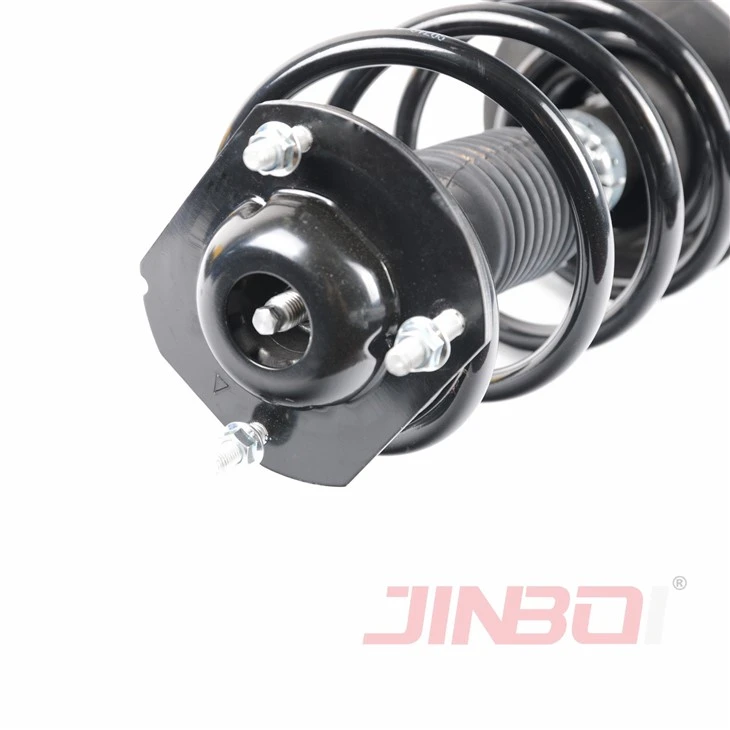

As a supplier of Buick Struts, we offer a wide range of high-quality shock fluids that are specifically designed for use in Buick vehicles. Our products are backed by our commitment to quality and customer satisfaction, and we're confident that we can provide you with the best solution for your needs.
If you're interested in learning more about our Buick Struts or shock fluids, or if you have any questions or concerns, please don't hesitate to contact us. We'd be happy to discuss your requirements and provide you with a quote. You can explore our product range including 2011 Buick Enclave Front Struts, 2014 Buick Enclave Front Struts, and Buick Front Pair Struts on our website. Let's start a conversation and find the perfect fit for your Buick's suspension needs.
References
- General Motors Service Manuals
- Automotive Engineering Textbooks on Suspension Systems
- Technical Bulletins from Buick and General Motors