

Are there any common problems with Hyundai struts?
Dec 30, 2025
Leave a message
As a supplier of Hyundai struts, I've had the privilege of working closely with these essential automotive components. Struts play a crucial role in a vehicle's suspension system, ensuring a smooth and stable ride. In this blog, I'll delve into some common problems associated with Hyundai struts and discuss how to address them.
Understanding the Role of Struts in Hyundai Vehicles
Before we explore the common problems, it's important to understand what struts do. Struts are a key part of the suspension system in Hyundai cars and SUVs. They not only support the weight of the vehicle but also absorb shocks from the road surface. This helps to provide a comfortable ride and maintain proper tire contact with the road, which is essential for handling and safety.
Common Problems with Hyundai Struts
1. Leaking Struts
One of the most prevalent issues with Hyundai struts is leakage. Over time, the seals in the struts can wear out, allowing the hydraulic fluid inside to leak. You might notice oil stains on the strut body or around the wheel well. A leaking strut loses its ability to dampen shocks effectively, which can lead to a rougher ride. The vehicle may also bounce more than usual after hitting a bump, and you might experience increased body roll during cornering.
2. Worn Bushings
Bushings are rubber or polyurethane components that help to isolate the strut from the rest of the suspension system and reduce noise and vibration. In Hyundai vehicles, these bushings can wear out due to constant movement and exposure to the elements. When the bushings are worn, you may hear clunking or rattling noises, especially when going over bumps or making turns. This can also affect the alignment of the wheels, leading to uneven tire wear.

3. Corrosion
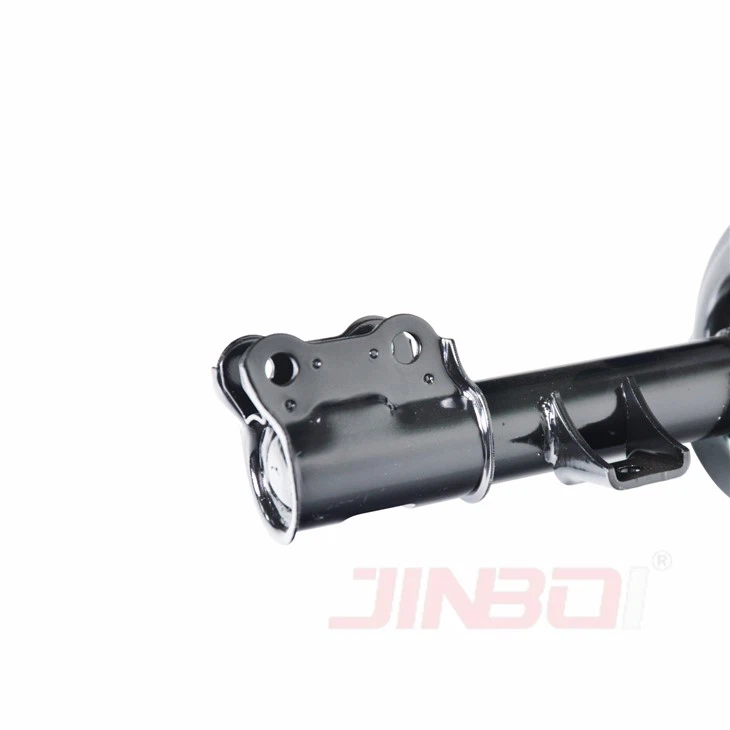
Hyundai struts are exposed to various environmental conditions, including moisture, salt, and road debris. Over time, this can cause corrosion on the strut body. Corrosion weakens the structural integrity of the strut and can lead to premature failure. In severe cases, the corrosion can cause the strut to break, which is extremely dangerous. You might notice rust or pitting on the strut surface, and the strut may not function as smoothly as it should.
4. Excessive Noise
If you hear knocking, thumping, or squeaking noises coming from the suspension when driving over bumps or rough roads, it could be a sign of a problem with the struts. This noise can be caused by a variety of factors, such as worn bushings, loose components, or internal damage to the strut. Ignoring these noises can lead to further damage and potentially compromise the safety of the vehicle.
5. Uneven Tire Wear
Properly functioning struts help to keep the tires in contact with the road evenly. When the struts are worn or damaged, they can cause the tires to wear unevenly. You might notice that the tread on one side of the tire is more worn than the other, or that the center or edges of the tire are wearing out faster. Uneven tire wear not only reduces the lifespan of the tires but also affects the handling and safety of the vehicle.
How to Identify and Address These Problems
Identification
- Visual Inspection: Regularly inspect the struts for signs of leakage, corrosion, or damage. Look for oil stains, rust, or any visible cracks or dents on the strut body. Check the bushings for signs of wear, such as cracks or excessive movement.
- Test Drive: Pay attention to how the vehicle rides and handles. Notice if there is excessive bouncing, body roll, or noise when going over bumps or making turns. If you experience any of these symptoms, it's a good idea to have the struts inspected by a professional.
- Tire Inspection: Check the tires regularly for signs of uneven wear. If you notice any abnormal wear patterns, it could be a sign of a problem with the struts or other suspension components.
Addressing the Problems
- Leaking Struts: If you notice a leaking strut, it's important to replace it as soon as possible. Continuing to drive with a leaking strut can cause further damage to the suspension system and compromise the safety of the vehicle. You can find high - quality replacement struts, such as Hyundai Auto Front Struts, which are designed to meet or exceed the original equipment specifications.
- Worn Bushings: Worn bushings can usually be replaced without having to replace the entire strut. However, it's important to use high - quality bushings to ensure proper performance and longevity. You can find suitable replacement bushings at most auto parts stores or order them directly from a trusted supplier.
- Corrosion: If the corrosion on the strut is minor, it may be possible to clean and treat it to prevent further damage. However, if the corrosion is severe, the strut should be replaced. You can choose from a range of corrosion - resistant Hyundai Front Struts that are designed to withstand harsh environmental conditions.
- Excessive Noise: To address excessive noise, you need to identify the source of the problem. If it's due to worn bushings or loose components, these can be tightened or replaced. If the noise is coming from inside the strut, it may be necessary to replace the strut.
- Uneven Tire Wear: If uneven tire wear is caused by worn struts, replacing the struts and having the wheels aligned can help to correct the problem. This will not only extend the lifespan of the tires but also improve the handling and safety of the vehicle.
The Importance of Using Quality Hyundai Struts
When it comes to replacing Hyundai struts, it's crucial to use high - quality components. Inferior struts may not provide the same level of performance and durability as genuine or high - quality aftermarket parts. Quality struts are designed to meet the specific requirements of Hyundai vehicles, ensuring a proper fit and optimal performance. They also undergo rigorous testing to ensure that they can withstand the demands of daily driving and various road conditions.
As a supplier of Hyundai struts, we offer a wide range of products, including Hyundai Front Suspension Strut, that are designed to provide a reliable and cost - effective solution for your Hyundai's suspension needs. Our struts are made from high - quality materials and are engineered to meet or exceed the original equipment specifications.
Conclusion
In conclusion, while Hyundai struts are generally reliable, they can experience common problems such as leakage, worn bushings, corrosion, excessive noise, and uneven tire wear. By being aware of these issues and taking proactive steps to identify and address them, you can ensure the safety and performance of your Hyundai vehicle. If you're experiencing any problems with your Hyundai struts or are looking to replace them, don't hesitate to reach out to us. We're here to provide you with the best products and support for your automotive needs. Contact us today to discuss your procurement requirements and let's work together to keep your Hyundai running smoothly.
References
- Automotive Service Excellence (ASE) - Automotive Suspension and Steering Study Guide
- Hyundai Motor Company - Official Technical Manuals